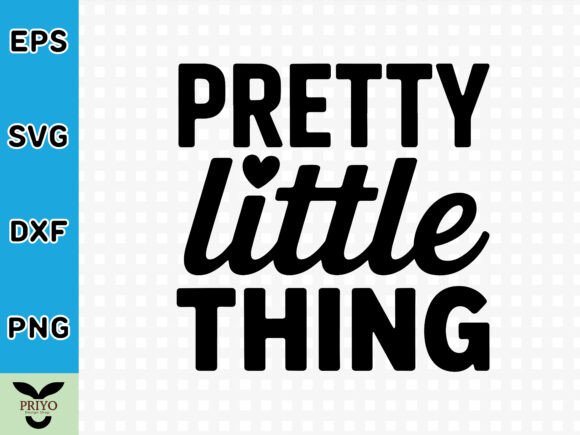
Pretty Little Thing SVG
As a designer and embroidery product reviewer, I often find myself evaluating digital designs for their real-world usability. Pretty Little Thing SVG caught my attention not just for its aesthetic appeal but for how it translates into practical embroidery projects. Let’s dive into what this design offers and where it truly shines.
The First Impression: A Design That Speaks Volumes
From the moment I opened the file, Pretty Little Thing SVG exudes a soft, feminine charm. The layout is clean, with a balanced composition that feels both modern and timeless. The theme is subtle—ideal for something that can be adapted across various mediums without feeling overdone. The level of detail is moderate, which means it won’t overwhelm smaller hoop sizes or delicate fabrics, but it still has enough visual interest to stand out on its own.
This design feels like it belongs on custom apparel, especially items like tote bags or sweatshirts where a touch of elegance can elevate the overall look. It also has potential as a baby item or a personalized gift, where simplicity and clarity are key.
Real-World Embroidery Use Cases
When I tested Pretty Little Thing SVG on a sample tote bag, the results were promising. The design translated well onto cotton fabric, maintaining its shape and definition without any distortion. For a machine embroidery design, it performed reliably, with even stitch density and no signs of thread tangling or puckering.
It works especially well on smooth, flat surfaces like t-shirts, aprons, and pillow covers. However, I noticed that on textured or stretchy fabrics, the design could lose some of its sharpness. This makes me think that for projects involving baby clothes or garments with a lot of movement, a slightly simpler design might be more suitable.
For small business owners or Etsy sellers, this SVG could be a great addition to a collection of printable mockups or digital product previews. Its versatility allows it to be used in a variety of contexts, from holiday gifts to boutique branding.
Where to Be Cautious With Pretty Little Thing SVG
While Pretty Little Thing SVG is generally user-friendly, there are a few areas where caution is advised. If you’re working with small hoop sizes, you may need to adjust the design or split it into sections. Similarly, on dark fabrics, the contrast might not be as strong as desired, so testing with different thread colors is essential.
On thin or stretchy materials, the design might require additional stabilizer to prevent shifting or distortion. For curved surfaces like caps or hoods, the design could benefit from slight modifications to ensure it sits properly when stitched. Tiny lettering or intricate details might also need extra attention to avoid becoming lost in the stitching process.
If you're planning to use this design for commercial embroidery or selling finished products, always check the licensing terms. Even though the design itself is clean and professional, the legal aspects of using it in your business should never be overlooked.
Impact on Visual Appeal and Customer Perception
One of the most important factors in any embroidery project is how the final product looks. Pretty Little Thing SVG adds a refined touch that can enhance the perceived value of handmade products or personalized gifts. When used correctly, it can make a significant difference in how customers view your work—especially if they’re looking for something unique or elegant.
For craft businesses or small shop merchandise, this design can help create a cohesive brand identity. Whether it’s on a custom apron or a holiday ornament, the consistency of the design helps reinforce your brand’s visual language. It also contributes to the professionalism of your offerings, making your products more appealing to buyers who appreciate quality and detail.
Practical Tips for Using Pretty Little Thing SVG
Before committing to a full project, I always recommend testing any new embroidery file on scrap fabric. This helps identify any issues with stitch density, thread color contrast, or fabric compatibility. For Pretty Little Thing SVG, I found that using a light-colored thread on dark backgrounds made the design more visible and impactful.
Also, pay close attention to the hoop size. If the design is too large for your machine’s hoop, consider resizing or breaking it into parts. Check for any tiny details that might be difficult to stitch, and make sure the design works well in both black and white and color mockups.
Finally, remember that even the best machine embroidery design needs proper stabilizer and correct tension settings. These small adjustments can make a big difference in the final outcome, especially when working with delicate or stretchy fabrics.
Final Thoughts: A Versatile Addition to Any Designer’s Toolkit
Pretty Little Thing SVG is a solid choice for designers looking for a clean, adaptable design that can be used across multiple projects. While it isn’t perfect for every situation, its balance of style and functionality makes it a valuable asset for anyone involved in embroidery, whether for personal use or commercial purposes.
As an experienced designer, I’d say this SVG is worth adding to your collection of design assets. Just be sure to test it thoroughly and use it where it will shine the most. With the right approach, Pretty Little Thing SVG can become a staple in your embroidery workflow and a hit with your customers.